A look back at the 2025 OQuLus annual workshop
The OQuLus project of the PEPR Quantum programme organised the 2025 edition of its annual workshop on November 19th and 20th. The consortium met at the Centre for Nanosciences and Nanotechnologies (C2N) to discuss the progress of the project and explore opportunities for synergy.
Sessions on discrete and continuous variables
The event was introduced by Pascale Senellart, CNRS research director and project coordinator. This project aims to create two prototypes of NISQ (Noisy Intermediate Scale Quantum) optical quantum computers: one in DC (discrete variables) where information is encoded on single photons, and the other in CV (continuous variables) where information is encoded on the components of the electromagnetic field.
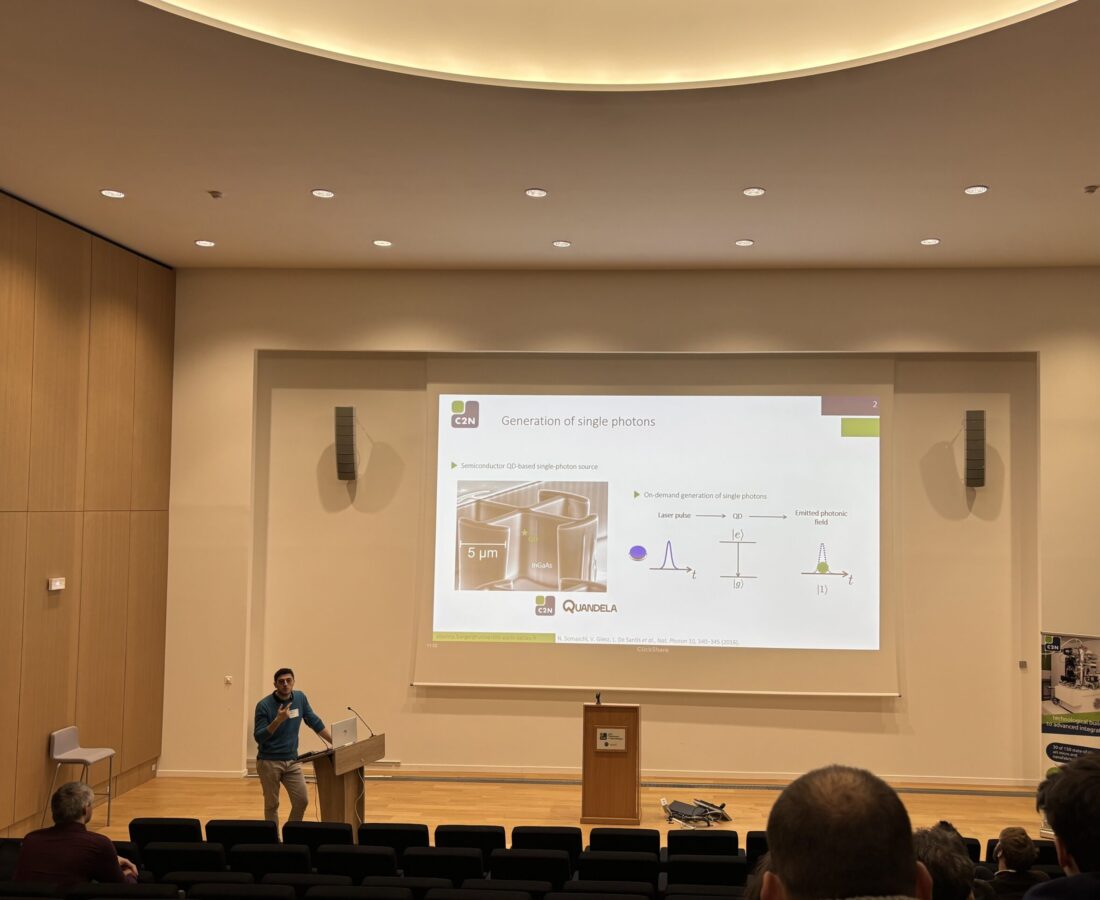
The first day thus consisted of several sessions on discrete variables and continuous variables. Over the course of the day, no fewer than 14 talks were given in the C2N amphitheatre. Photonic cluster states, single photon sources, and spin control in silicon were all topics covered during these sessions. Among the speakers, researchers, lecturers and post-docs, as well as PhD students, this event aiming to highlight the young generation of scientists who are contributing to the project’s results and advances.
Such sessions are essential for the consortium. Indeed, they allow members to interact and, above all, to share progress reports and recent developments within each team. The consortium was also almost in full attendance, with more than 60 participants and each partner represented by at least one speaker.
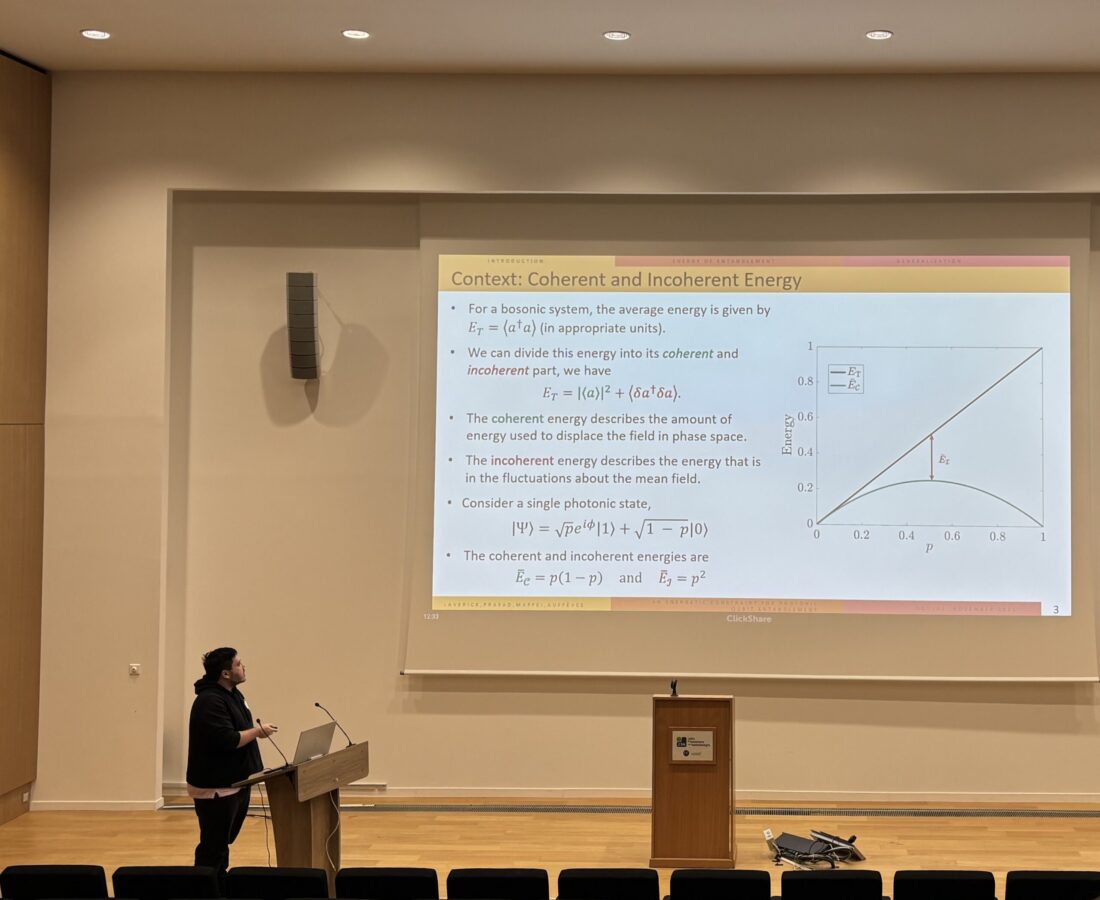
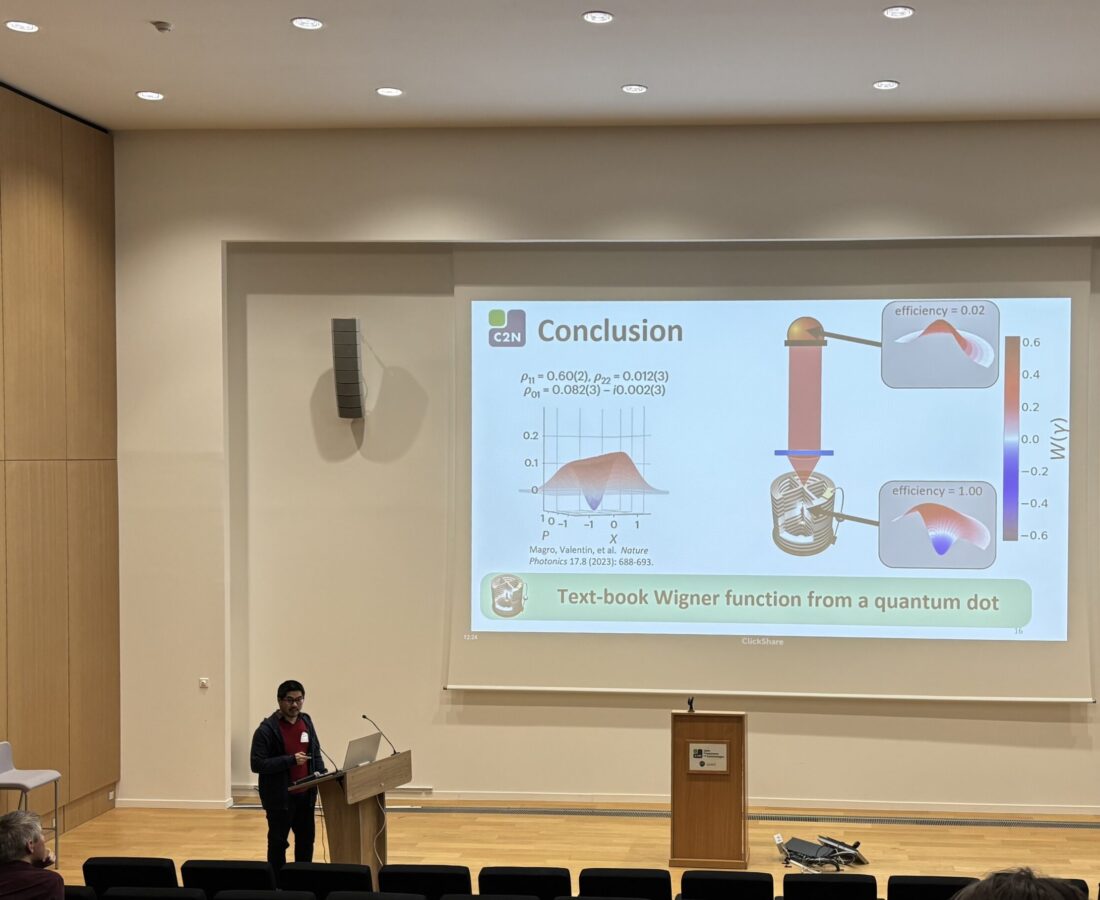
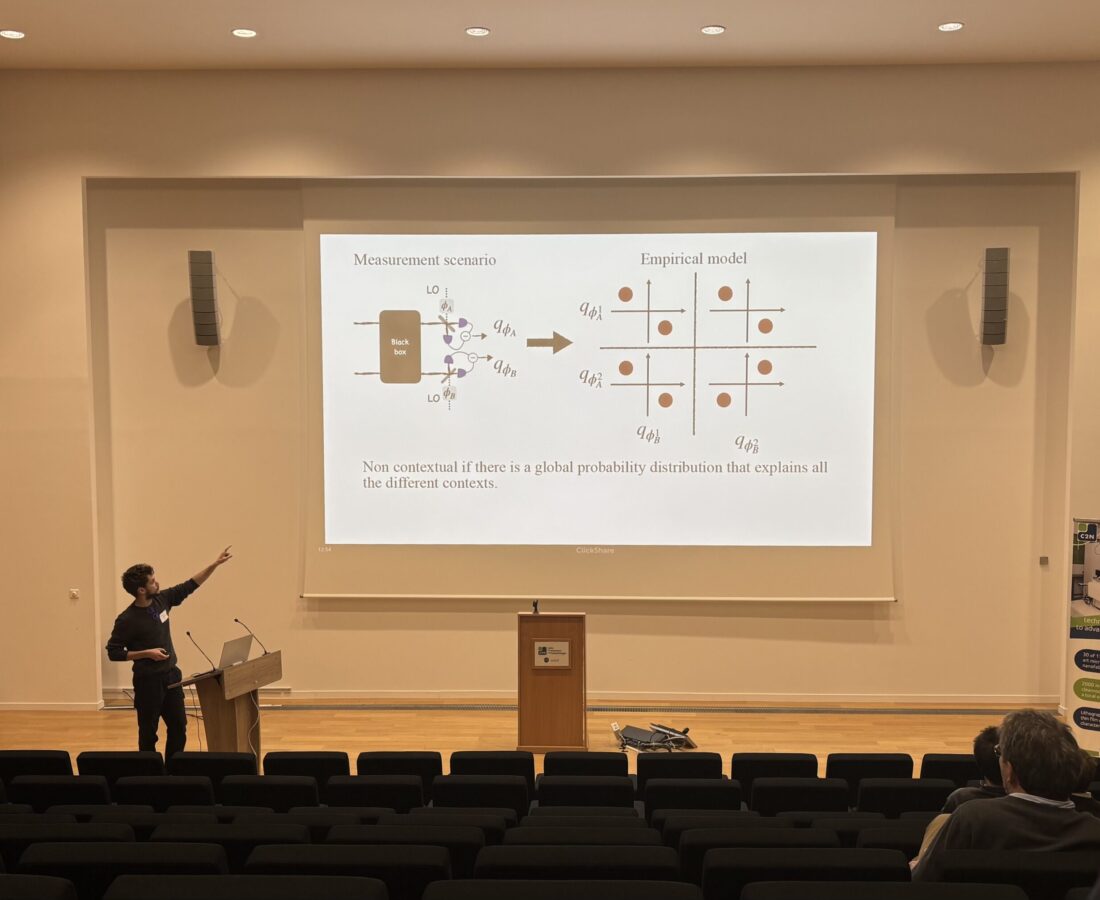
These sessions continued the following day, this time through a workshop dedicated to the continuous/discrete variable (or CV/DV) interface. The speakers presented various topics at the interface, such as non-Gaussian states of light generated by quantum dots, hybrid Bell inequalities and the energetic measurement of the entanglement of bipartite photonic qubits.
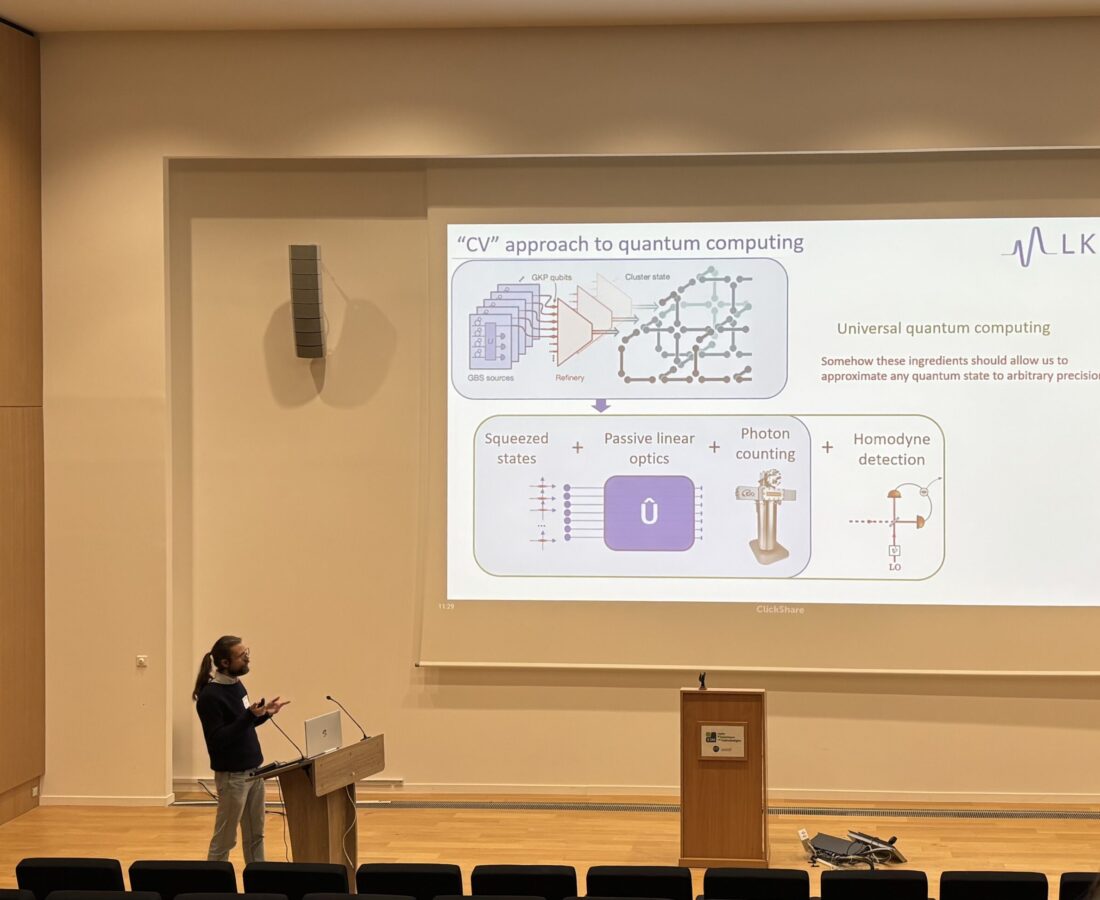 Mattia Walschaers, CNRS researcher at Laboratoire Kastler Brossel (LKB, CNRS / Collège de France / ENS-PSL / Sorbonne Université). © PEPR Quantique
International challenges and prospects
Part of the morning of the second day focused on the international state of the art in 2025. Indeed, as Pascale Senellart mentioned at the end of the session, ‘We should all be aware of the latest news.’ Several members of the consortium then presented recent work and publications by scientists from around the world. A total of five publications were described, each related to the field of optical quantum computing and highlighting crucial experiments and results. Once again, special attention was paid during this session to the participation of the young.
This was followed by a presentation by Pascale Senellart on OQuLus’ contribution to the PEPR Quantum foresight. The idea here was to engage in collective reflection and benchmark the scientific and technological developments within the project in order to help the PEPR management team prepare a new programme for 2030. On the one hand, the aim was to identify the forces at play and the transformations underway in the fields currently covered by the programme. On the other hand, the objective was to identify disruptive concepts and ‘white areas’ that are not yet covered, or only covered to a limited extent, by the PEPR. Everyone was therefore invited to contribute to this prospects study by answering several questions via an online questionnaire on developments in the fields already covered or to be covered.
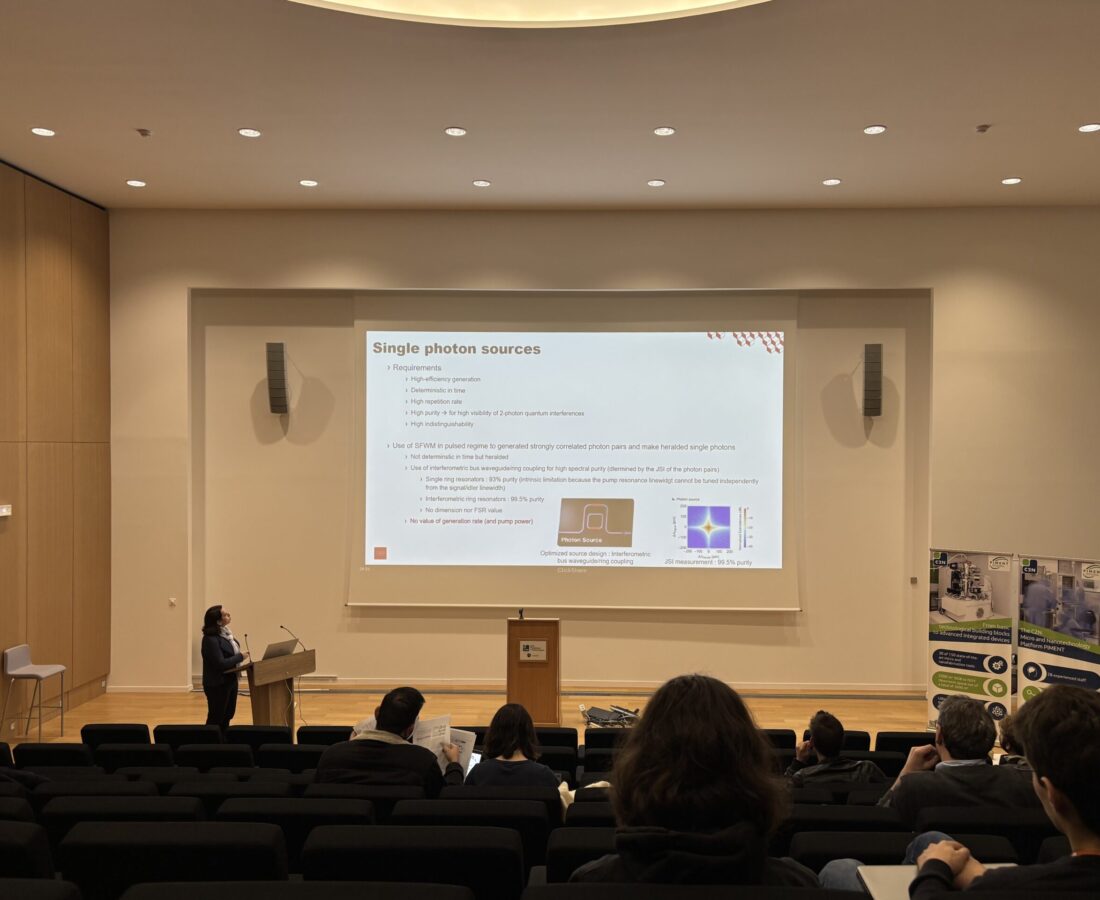 Ségolène Olivier, CEA resrarcher at CEA-Leti. © PEPR Quantique
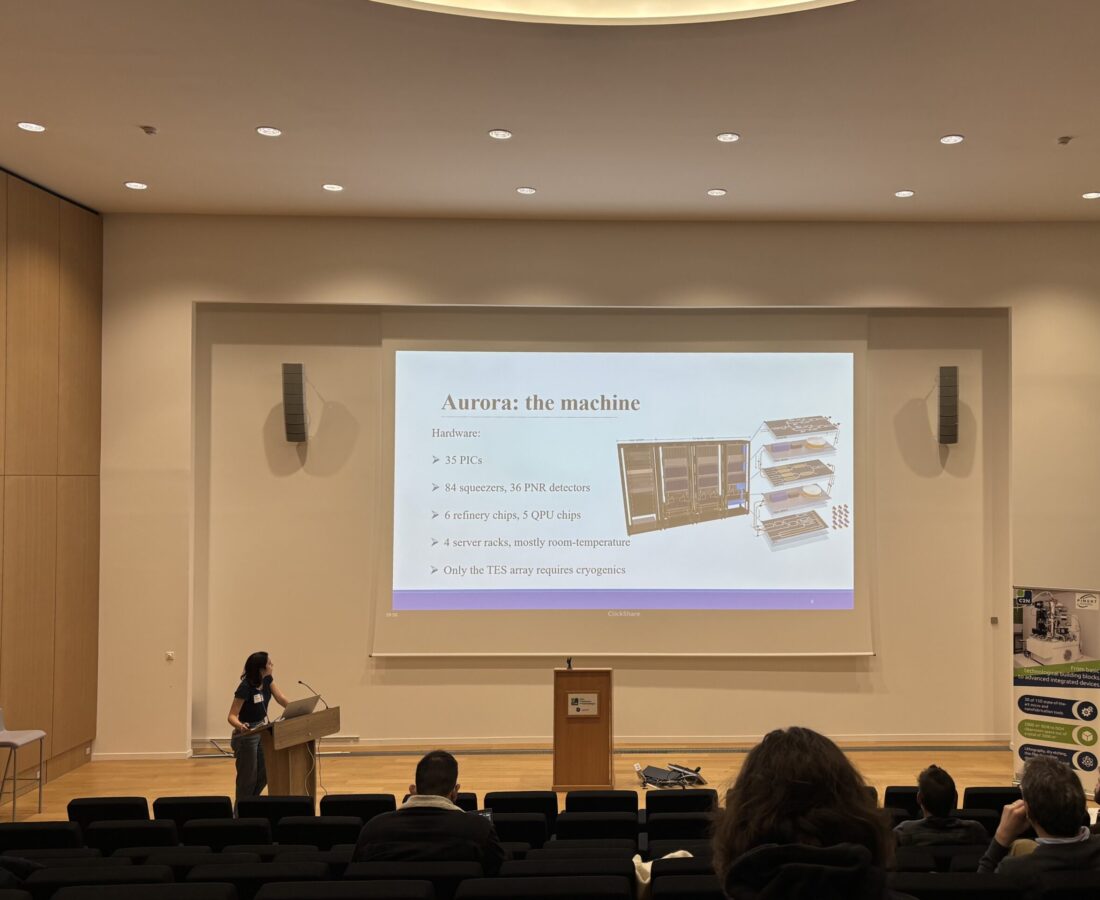
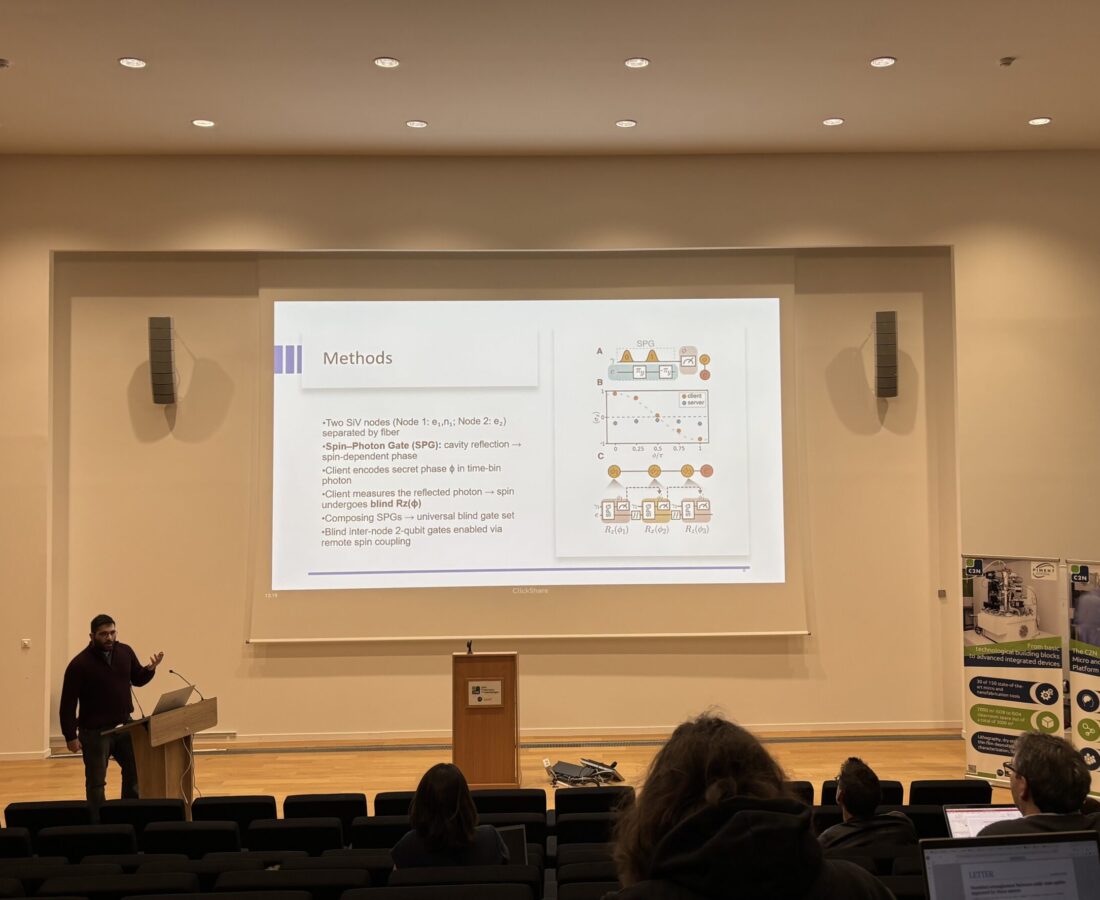
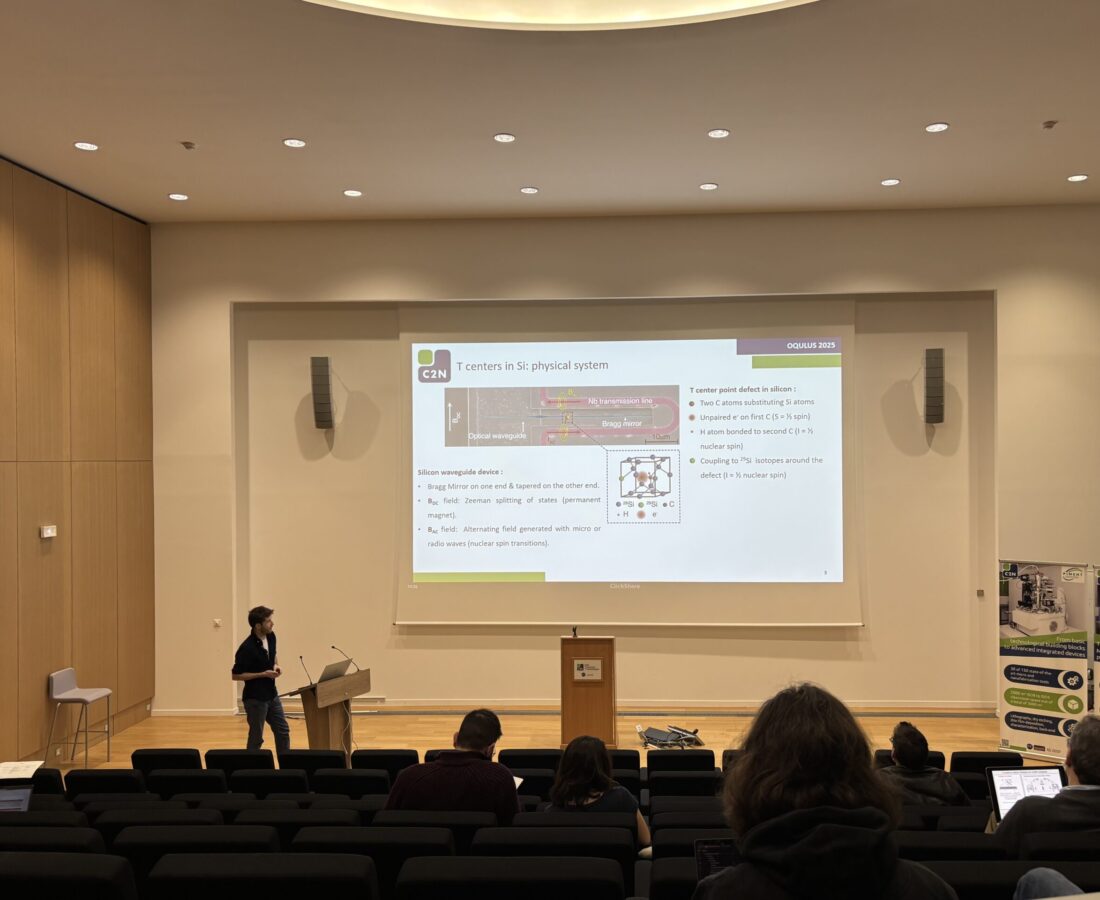
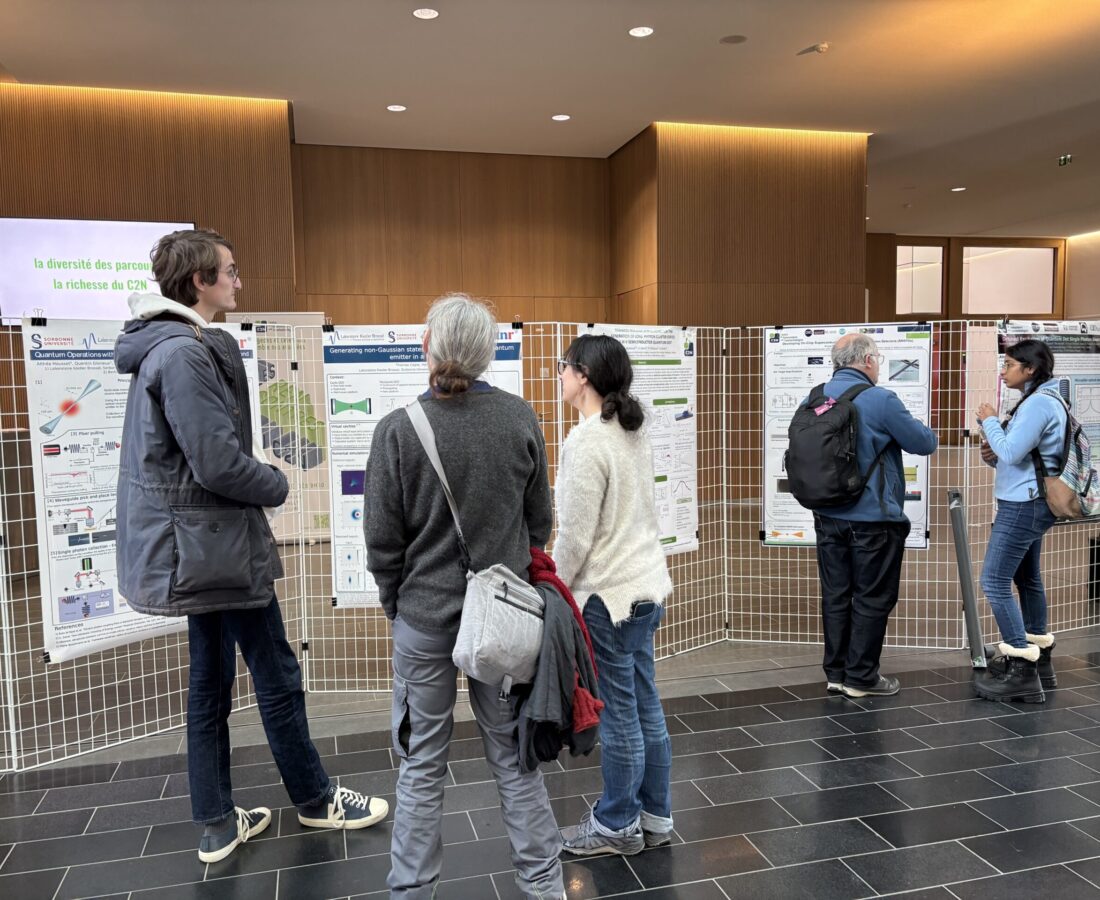
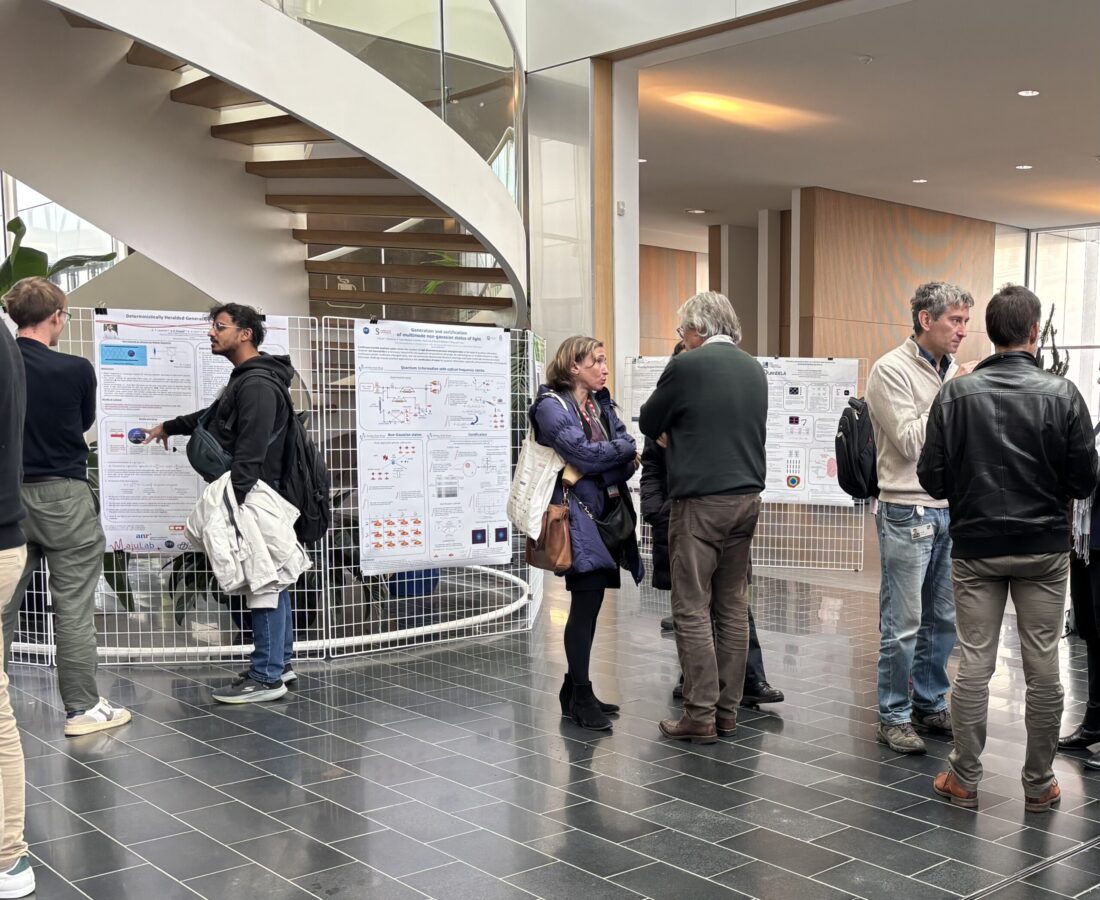
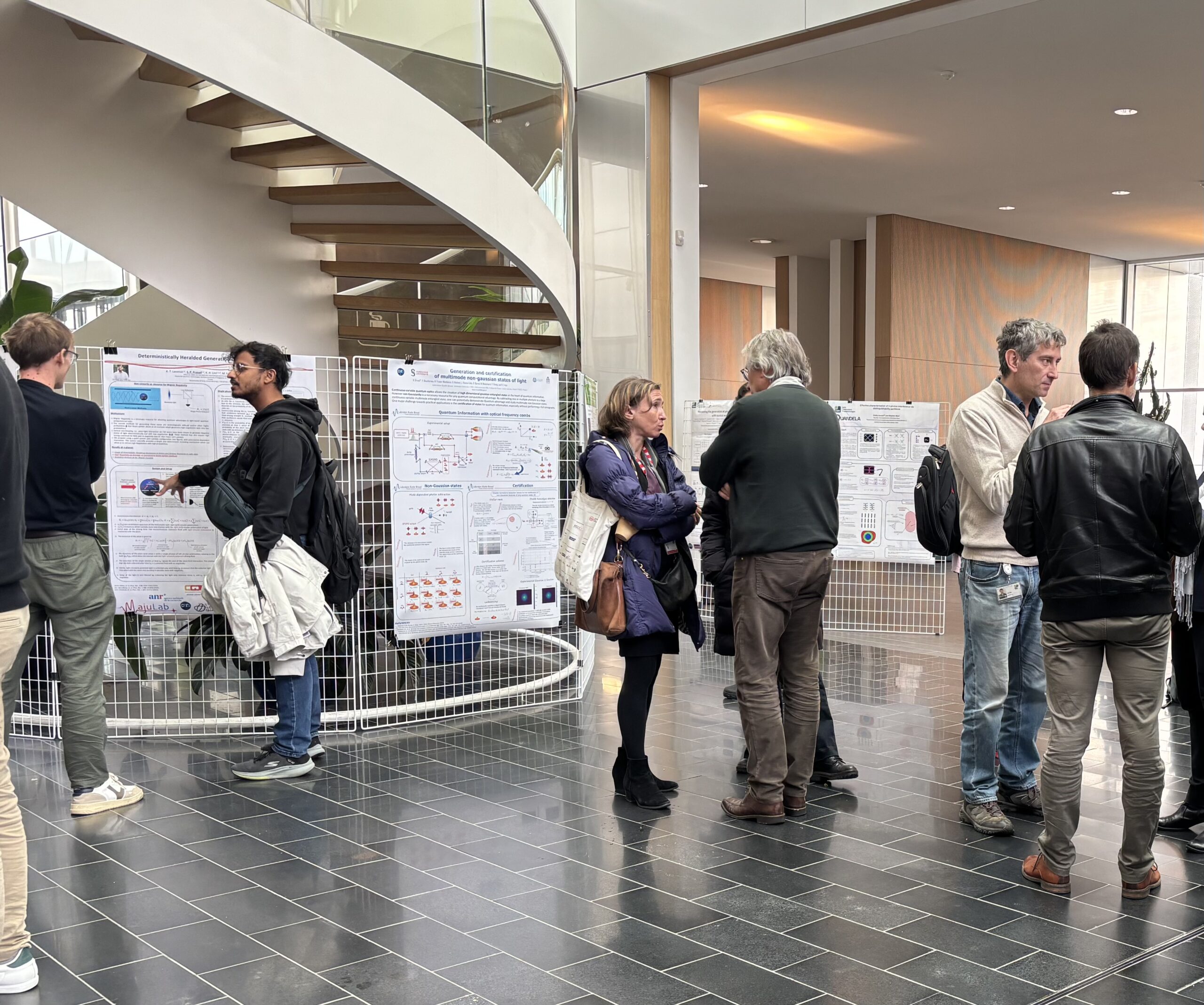
The event closed with a poster session on the afternoon of the second day. This was another opportunity to highlight the contribution of doctoral students and post-docs to the progress of the project.
Overall, this annual event allowed members of the OQuLus consortium to share a special and stimulating scientific experience, highlight the progress made, and discuss the future of the research field. Until the next edition, the hard work carries on!
Written by Lauren Puma
Latest news
No news
More news Events